|
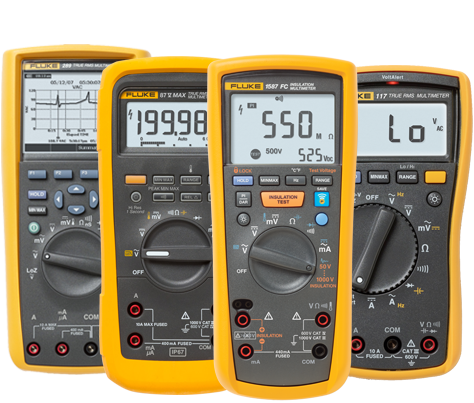
Client: Fluke Europe B.V. Fluke Europe B.V. is a leading manufacturer of electronic test and measurement tools, such as digital multimeters, thermal imaging cameras, power quality analyzers and calibration equipment, used by engineers, technicians and maintenance professionals in industrial, electrical and field environments worldwide. |
▮The Brief
Content types spanned product descriptions, technical specifications, safety information, marketing copy and video scripts. Each content type carried different terminology requirements and different risk profiles: a product spec error and a marketing copy inconsistency are not the same problem, and the workflow reflected that.
Our project manager coordinated a multilingual team of translators experienced in technical and marketing content localization. Particular attention was given to product terminology, brand consistency, and adaptation of marketing messages.
A structured workflow including translation, revision, and quality assurance was applied to ensure consistency and accuracy across all target languages.
▮What the Work Required
Terminology discipline across 13 simultaneous language pairs. Fluke’s product terminology is highly specific: instrument categories, measurement parameters, safety ratings and feature names must be rendered consistently whether the target language is Finnish or Arabic. A single inconsistent term across languages creates confusion in markets where technical buyers compare documentation.
Content-type differentiation. Technical specifications required domain specialists with instrumentation background. Marketing copy required adaptation, not literal translation; the tone and framing that works for an English-speaking electrician does not automatically work for a French or Italian audience. We assigned different specialist profiles to each content type within the same project cycle.
Multilingual coordination under production timelines. Product launches do not wait for translation to catch up. The PTi120 campaign required eight language versions delivered in parallel, not sequentially. Shared terminology assets and a single coordinating PM made that feasible without quality compromise.