|
Navigating Complex Modern Challenges Translation and localization projects today are no longer simple text conversion tasks. They operate across multiple formats, technologies, platforms, and industries — each introducing its own layer of complexity.
Below are some of the structural challenges that define modern multilingual production. |

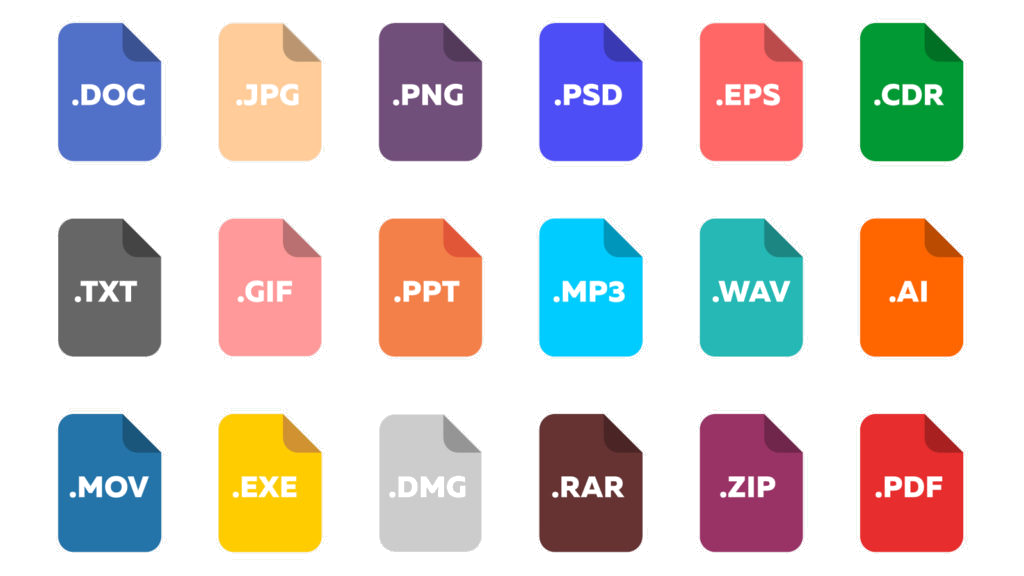
▮Evolving File Formats
Translation once meant paper and fax. Today, it means digital ecosystems.
Most projects arrive in MS Office formats — yet even these can present issues: partially corrupted files, oversized documents containing thousands of pages, or fragmented packages consisting of hundreds of small files. File engineering becomes the first invisible challenge.
Design software introduces another layer. InDesign, FrameMaker, and similar formats often require post-translation layout adjustments. Because many target languages expand in length, professional DTP work becomes essential to preserve structure and visual integrity.
Specialized formats such as AutoCAD drawings or structured database files (XML, JSON) demand technical preparation before translation can even begin. Configuration files must be engineered carefully to ensure compatibility with CAT tools and prevent import errors.
PDF files remain a frequent obstacle. When only a PDF source is provided, conversion quality determines the success of the project. Complex tables, graphics, and non-editable layouts often require manual reconstruction by experienced specialists.
▮The CAT Tool Environment
Computer-Assisted Translation tools revolutionized productivity and consistency. Early systems were complex and intimidating; today’s tools are more intuitive, cloud-based, and automated.
Yet challenges remain.
Translators work within segmented environments filled with structural tags. Improper tagging, segmentation errors, or file corruption can disrupt workflow and compromise output quality. Modern translation requires both linguistic expertise and technical fluency.
▮Online Editing & Cloud Collaboration
Cloud-based platforms have transformed collaboration. Real-time editing and distributed teams are now standard practice.
However, this evolution raises important concerns:
- Data security and platform ownership
- Regulatory compliance
- System reliability
- Dependence on stable internet infrastructure
- Speed has increased — but so has operational sensitivity.
▮Increasing Technical Specialization
Industries have become highly specialized. Engineering, robotics, renewable energy, medical technologies, and software development all demand subject-matter precision.
Technical documents are often written for experts — and must be translated by experts. Accurate terminology management, careful translator selection, and layered quality assurance are essential to safeguard technical integrity.