|
From SaaS platforms and enterprise software to APIs and cloud-based systems, multilingual precision ensures seamless user experience, accurate documentation, and scalable international growth.
We support software vendors, SaaS providers, technology startups, and enterprise IT departments with structured localization workflows tailored to agile and continuously evolving environments. 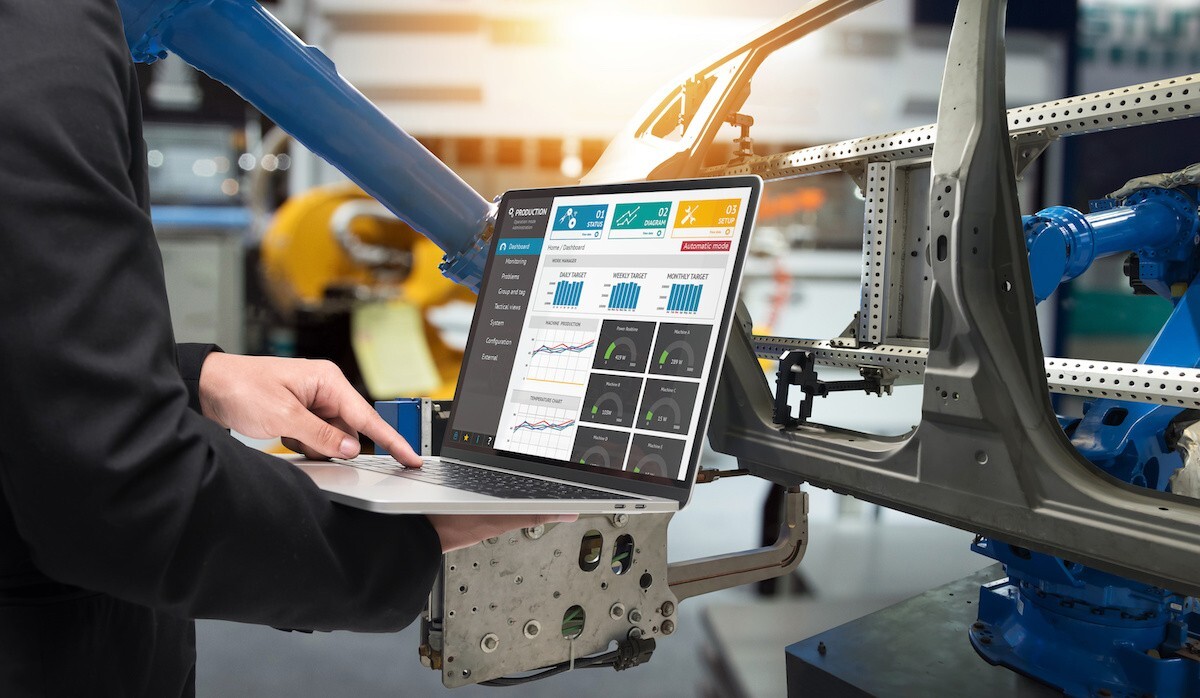 |

|
|

▮SaaS Platforms & Web Applications
SaaS environments require continuous localization across:
- User interfaces (UI)
- Web applications
- Feature updates
- Knowledge bases
- Help center documentation
Consistency across updates ensures brand stability and user trust in international markets.
▮API & Technical Documentation
Technology companies often rely on detailed documentation for developers and integrators.
We support:
- API documentation
- Integration guides
- Developer manuals
- SDK documentation
- System architecture overviews
Terminology control ensures technical accuracy across global developer ecosystems.
▮UI/UX & Product Interface Localization
User-facing interfaces require linguistic precision within strict character limits and layout constraints.
We support:
- Mobile app localization
- Desktop software interfaces
- Dashboard systems
- In-app messaging
- Error and notification messages
Clear interface language improves usability and reduces customer support friction.
▮Enterprise Software & IT Systems
Enterprise environments often require structured localization across:
- ERP systems
- CRM platforms
- Internal IT tools
- Training documentation
- Migration guides
Multilingual clarity supports smooth implementation and cross-border deployment.
Technology providers operate within evolving regulatory frameworks.
We support:
- Data protection documentation
- Privacy policies
- Security compliance materials
- User agreements
- Regulatory filings
Accurate language management protects brand integrity and legal compliance.