Alafranga has been translating medical documents since 2002, including clinical trial documentation, medical device instructions for use (IFU) and labeling, regulatory submissions, pharmaceutical product information (SmPC, PIL), patient-facing materials, and medical device software across 40+ languages.
Medical translation is not “just another language task.” The documentation affects patient safety, regulatory approval, product usability, and legal exposure. We translate it with structured QA, controlled terminology, and documented workflows for organizations that cannot accept interpretation risk.
|
|
|
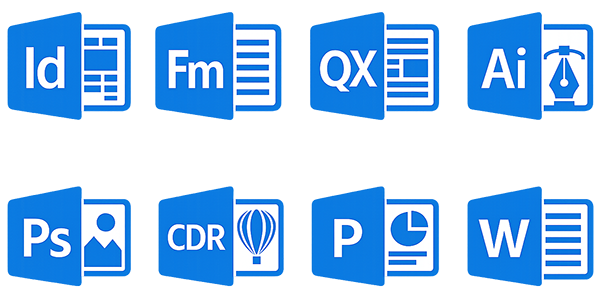
▮What we translate
- Terminology management (client glossaries, MedDRA/WHO-DD alignment when provided, product term governance)
- Structured QA checks for critical items (numbers, units, warnings, contraindications, symbols, consistency)
- Style and compliance alignment (tone, claims control, local conventions, readability constraints)
- Change-friendly delivery for ongoing updates (versioning logic, reuse, controlled edits)
- IFUs / Instructions for Use and user manuals
- Labels, packaging, and on-device text
- Clinical documentation (protocols, investigator brochures, patient-facing materials)
- Quality and regulatory documentation (SOPs, CAPA, risk files, technical documentation sets)
- Pharmacovigilance and safety content (where applicable to your scope)
- Medical marketing & training materials (claims-safe, terminology-consistent)
Discover Alafranga Language Solutions
|

|
We work in Trados and memoQ, or in the client's own translation system, with client-specific translation memories and glossaries maintained across every project. AI drafts are produced with the whole document in view, not sentence by sentence through a machine translation API, so terminology, cross-references and tone hold from the first page to the last. We are not tied to one model: we test models on your own sample files. A named specialist reviews and approves every output. → How we manage projects |